

The Flexbook I Love Cactus ruled notebook is a mid-priced eco notebook built around two genuinely unusual materials: a cover made from plant-based cactus leather and pages made from upcycled citrus-fruit residue. If you want the short verdict, it’s a well-made, sustainably-sourced notebook that justifies its roughly $22–27 price for the right buyer — someone who cares about eco credentials and wants a flexible, lie-flat notebook — but it’s not the pick if you need thick, fountain-pen-proof paper or something cheap for everyday scratch notes.
Below is a full breakdown of the materials, who makes it, how the specs translate to real use, where it falls short, and how it stacks up against the obvious alternatives. A disclosure up front: this review is built on verified manufacturer and retailer specifications rather than a lab test, and I’ll flag clearly where that matters.
What Is the Flexbook I Love Cactus Notebook?
It’s part of a line of eco notebooks from Flexbook, the brand of The Writing Fields SA, a company based in Athens, Greece. The whole product rests on a sustainability story that’s more concrete than most “eco” marketing.
The headline feature is the cover. The I Love Cactus line uses covers made from plant-based leather derived from organically grown Nopal (Opuntia, or prickly pear) cactus leaves. According to the maker, the cactus plants grown for this material need only rainwater and earth minerals, with no herbicides, pesticides, or irrigation used in cultivation. The pitch is a vegan, lower-impact alternative to both animal leather and plastic-based synthetic covers.
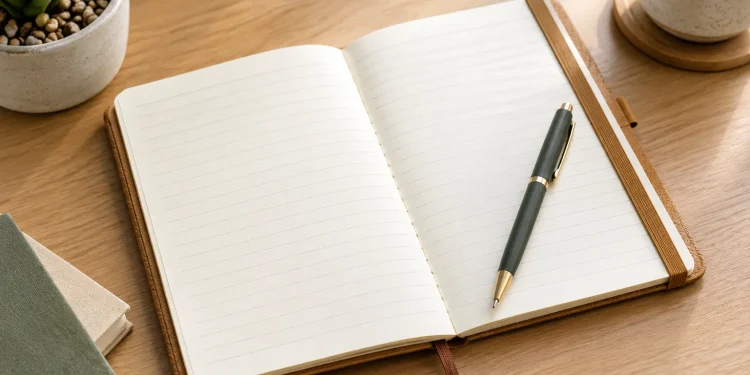
The inside matches that theme. The 192 ruled pages are 100gsm Favini Crush ECO citrus paper — an Italian paper made by upcycling agricultural by-products, which replace up to 15% of the virgin tree pulp. The flyleaf is a separate Favini Crush ECO coffee paper. Even the small touches lean into the concept, with a promo card and brochure explaining the cactus material tucked inside.
Key specs at a glance
| Feature | Detail |
|---|---|
| Cover | Plant-based cactus (Nopal) leather, rounded corners, black embossing |
| Pages | 192 ruled, 100gsm Favini Crush ECO citrus paper |
| Flyleaf | Favini Crush ECO coffee paper |
| Size | 13 x 21 cm (about 5.1 x 8.3 in) — A5-ish |
| Binding | Flexbook flex binding (lies flat, folds back 360°) |
| Closure | Elastic band |
| Maker | The Writing Fields SA, Greece |
| Typical price | ~$22–27 USD (varies by retailer) |
One naming note that trips people up: the exact same notebook appears under slightly different labels depending on the store — “I Love Cactus,” “Writing Fields Love Cactus,” or just “Cactus Leather Notebook.” It also comes in more than one cover color (Desert Sand and a cactus-green among them). If the specs match the table above, it’s the same product.
The Binding: The Part That Actually Changes How You Write
Flexbook’s reputation rests on its binding, and it’s the feature most worth understanding before you buy. The notebooks use a bookbinding technique developed in Greece that lets the book open completely flat and the covers fold all the way back on themselves without cracking the spine.
In practice that means a few things most spiral and standard glued notebooks can’t do:
- It lies dead flat at any page, so you’re not fighting a curling page or holding the book open with your forearm.
- You can fold it fully backward, magazine-style, which matters if you write standing up or in tight spaces.
- The spine tolerates repeated flexing rather than loosening pages over time.
For anyone who’s had a glued notebook shed pages or a spiral snag on a bag, this is the selling point that holds up. It’s also why the brand leans on the phrase “long life” — the binding is designed to survive heavy folding.
How the Paper Performs
Here’s where expectations need calibrating. 100gsm is a respectable weight — heavier than the 70–80gsm in most cheap notebooks, and on paper (literally) that suggests good resistance to show-through and bleed. The citrus-based Crush paper also has a distinctive slightly textured, warm-toned feel that fans of recycled stock tend to like.
But weight isn’t the whole story, and this is the honest part: I haven’t run a pen-test on this specific paper, and recycled/upcycled papers can behave differently from bright-white virgin stock with certain inks. Textured eco papers sometimes show more feathering with wet fountain-pen nibs than their gsm would predict. So:
- For ballpoint, gel, and pencil, 100gsm at this quality should handle everyday writing comfortably with minimal show-through.
- For fountain pens and heavy marker use, treat it as unverified. If that’s your use case, test a page before committing a whole notebook to it, and don’t assume the eco paper performs like premium fountain-pen paper such as Rhodia or Tomoe River.
That caveat isn’t a knock on the product — it’s the kind of thing a spec sheet can’t tell you and a buyer should know to check.
The Sustainability Claims, Weighed Honestly
Eco notebooks invite skepticism, so it’s worth separating what’s verifiable from what’s marketing.
What’s substantiated by the makers and material suppliers: The Favini Crush paper line is a real, documented product. Favini states Crush is biodegradable, produced with renewable EKOenergy, GMO-free, acid-free, and Elemental Chlorine Free, using agricultural by-products from things like citrus, grapes, coffee, and olives to cut virgin pulp. Some product listings cite a roughly 20% reduction in carbon footprint for the paper and up to 40% post-consumer recycled content. Those figures come from the paper maker and sellers, not an independent audit, so treat them as supplier claims rather than certified results.
What to read with a careful eye: “Cactus leather” is a plant-based material, but like most bio-leathers it typically still contains some polymer binder to make it durable and water-resistant — few bio-leathers on the market are 100% plant with zero synthetic content. The notebook is a genuinely lower-impact choice than animal leather or pure plastic covers; it’s just not the same as “entirely plastic-free,” and the listings don’t publish a full material composition. If the exact polymer percentage matters to you, that’s a fair question to send the retailer before buying.
The reasonable takeaway: the eco story here is better-documented than average and the materials are real, but a few of the specific numbers are self-reported. That’s normal for this category and not a reason for alarm.
Who It’s Genuinely Good For
This notebook fits some people well and others poorly. Being specific helps more than a blanket recommendation.
A good match if you:
- Want an eco/vegan notebook and care about the materials story being real, not just green packaging
- Like a flexible, lie-flat A5 notebook for journaling, lectures, meetings, or planning
- Write mostly with pencil, ballpoint, or gel pens
- Want something that looks and feels more premium than a drugstore notebook, as a gift or for yourself
Probably not for you if you:
- Need guaranteed fountain-pen performance (test first)
- Want the cheapest possible notebook for disposable notes
- Prefer dot-grid or blank layouts — this is ruled only
- Need a specific larger or smaller size; it comes in the one 13×21 cm format
How it compares to common alternatives
| Notebook | Rough price | Paper | Best for |
|---|---|---|---|
| Flexbook I Love Cactus | ~$22–27 | 100gsm eco citrus, ruled | Eco-minded writers wanting a flex binding |
| Moleskine Classic | ~$20–25 | 70gsm, ruled/other | Brand familiarity, lots of layouts |
| Leuchtturm1917 | ~$20–28 | 80gsm, dot/ruled | Bullet journaling, numbered pages |
| Basic recycled notebook | ~$5–12 | Varies | Budget, everyday notes |
The Flexbook’s edge over the mainstream names is the binding and the sustainability sourcing. Where Moleskine and Leuchtturm pull ahead is layout choice (dot grid, numbered pages, pockets) and wider availability.
Where to Buy and What to Watch
Availability in the US is through specialty pen and stationery retailers and some online marketplaces rather than big-box stores, so it’s more of a sought-out purchase than an impulse grab. Two practical cautions:
- Price varies a lot by seller, and international shipping can add meaningfully to the cost if you order from a UK or EU shop. Compare the landed total, not just the sticker price.
- Listings reuse the same stock photos and copy across retailers, so the product details you read are often the manufacturer’s own words repeated. Cross-check the specs (192 pages, 100gsm, 13×21 cm) to be sure you’re getting the current version, since eco product lines get refreshed and colors rotate.
Prices and available colors change frequently, so confirm both on the retailer’s page before ordering.
The Verdict
The Flexbook I Love Cactus ruled notebook earns a qualified recommendation. It does the important things well: a binding that genuinely improves the writing experience, respectable 100gsm pages, and a sustainability story that’s more substantive than most of its rivals. The cactus-leather cover is a real, distinctive material, not just a sticker on a plastic cover.
The honest limits are worth repeating. The eco figures are supplier-reported, the cover likely isn’t 100% plastic-free, and fountain-pen users should test the paper before trusting a whole notebook to it. None of that undercuts the product for its intended buyer — someone who wants a thoughtful, flexible, eco-minded A5 notebook and is happy to pay a bit more for it.
If that’s you, it’s a satisfying buy. If you just need pages to scribble on, save your money. The next step is simple: decide whether you’re a pencil-and-gel writer (go ahead) or a fountain-pen writer (request or do a quick paper test first), then compare the landed price across a couple of sellers.
FAQ
Is the Flexbook I Love Cactus cover real cactus?
The cover is a plant-based leather made from organically grown Nopal cactus leaves. Like most bio-leathers, it’s very likely blended with some binder for durability rather than being 100% cactus, but the cactus material is real and the product is vegan-oriented.
What paper does it use, and is it good for fountain pens?
It uses 192 ruled pages of 100gsm Favini Crush ECO citrus paper. The weight is solid and fine for pencil, ballpoint, and gel. Fountain-pen performance isn’t independently confirmed, so test a page first if you use wet nibs.
What size is it?
One size: 13 x 21 cm, roughly A5 (about 5.1 x 8.3 inches), with 192 ruled pages, rounded corners, and an elastic closure.
How much does it cost and where can I buy it in the US?
Typically around $22–27, though it varies by retailer. In the US it’s mainly sold through specialty stationery and pen shops and some online marketplaces rather than big-box stores. Confirm current price and color before ordering.
Is it actually eco-friendly or just marketing?
The materials are genuine — documented Favini Crush upcycled paper and plant-based cactus leather. Some specific figures (carbon reduction, recycled content) are reported by the paper maker and sellers rather than independently audited, so it’s a credible but partly self-reported eco story.