

A collectible firearm is more than an object with a particular make, model, or manufacturing date. Its history can make it especially meaningful to collectors. Records showing who owned it, where it was used, and how it changed hands can provide a deeper understanding of its place in history. This documented history is known as provenance, and it can influence both a firearm’s historical significance and its market value.
For collectors researching an acquisition or considering whether to sell my gun, understanding provenance is an important part of evaluating a firearm. It helps distinguish an ordinary example from one connected to a notable person, historical event, or important period.
What Does Provenance Mean in Firearm Collecting?
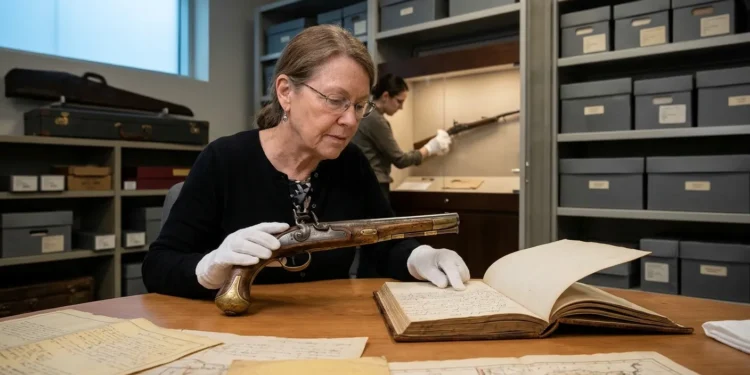
Provenance is the history of ownership of the object and its background. When it comes to collecting guns, it may encompass the original documents of purchase, military paperwork, correspondence, images, inventories of the estate, auction records, and more that document the history of a firearm.
These records help answer questions that physical inspection alone may not be resolved. Was the firearm issued to a military unit? Did it belong to a known historical figure? Was it carried during a particular conflict? Has it remained in the same family for generations?
The more reliable and complete the documentation, the easier it becomes to understand the firearm’s historical context. Provenance does not automatically establish authenticity, however. Documents must be examined carefully and connected convincingly to the specific firearm.
How Provenance Adds Historical Significance
Connecting Firearms to People and Events
A gun that has been used by a historic person or event can have more meaning than just the technical details. For instance, a military sidearm with service records, photographs or letters might provide some clues about the experiences of the individual who carried it.
Such connections help collectors understand the role firearms played in military, political, and social history. They also make individual pieces part of a larger historical narrative.
Preserving Ownership Records
A continuous ownership history can strengthen a firearm’s provenance. Estate documents, dated photographs, purchase receipts, and correspondence can help establish how an item moved between owners.
It doesn’t necessarily mean the work is authentic or significant just because it has a long history of ownership. Its value was based on the reliability of the records and if the records could connect the firearm to the record by serial numbers, markings, or other information.
Providing Historical Context
Provenance can also help explain why a particular firearm was produced, distributed, or used. Military contracts, factory records, unit histories, and period documentation can connect an individual example to broader developments in firearm manufacturing and historical events.
This context makes collecting more than an exercise in identifying models and comparing condition. It gives collectors an opportunity to preserve and study material evidence of the past.
How Collectors Can Evaluate Provenance
When buying a piece of artwork with provenance, collectors should beware of relying on the information provided by the seller or family history alone. Some of the useful steps involve serial number and manufacturer markings, documenting existing factory/military records, looking at historical pictures, and comparing ownership documents.
Independent specialists and established auction houses can also help assess whether documentation is credible and relevant. Any inconsistencies should be investigated before a firearm’s history is accepted.
It is also crucial that records are kept. Original documents, photographs, correspondence and previous sales records should be carefully preserved and maintained with the firearm’s collection history. Future owners can benefit from clear documentation that provides information on what is known, what is still unknown, and why it is important.
Why Provenance Matters to the Future of Firearm Collecting
Provenance assists in safeguarding the stories of collectible firearms. It links physical things with the people, institutions and events that made the past. If there are no records to keep, vital information can get lost as guns are passed down through the generations, or go up for sale in the collector market.
Therefore, responsible collecting goes beyond the preservation of artifacts’ physical state. It is also the task of recording its history, clarifying the facts from speculation, and verifying historical facts.
Collectors Firearms recognize the importance of understanding a firearm’s history when evaluating collectible pieces. Whether researching an acquisition or exploring Gun Brokers, collectors benefit from treating provenance as an essential part of informed collecting. A well-supported history can help ensure that the significance of a collectible firearm is understood and preserved for future generations.