

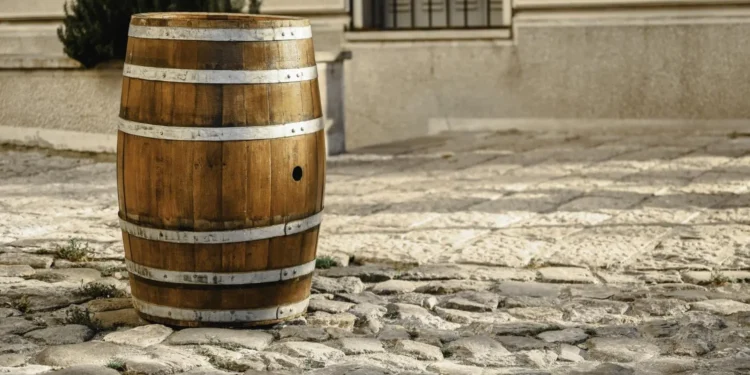
A barrel does not stop being useful once it is first emptied. Actually, that point is usually where a longer trip begins. People who make things, like brewers and other craft makers, purchase wine barrels and use them in a life cycle that can last for many years. Every step along the way gives something.
Stage One: The First Fill
When a new oak barrel gets put together, the wood pieces are. Then toast or charred to bring out flavored compounds. That first fill packs the punch. The wood releases hints of vanilla, spice, and toast. This is why wineries and distilleries often see first-use barrels as a tool for their most important products. Oak also lets air through its tiny pores. Over time, that small bit of oxygen softens edges in the liquid.
Stage Two: The Third Fills
After the first use, a barrel changes. The bold oak flavours that were once strong are now much softer. The wood still has something to give. It adds the body, a touch of spice, and a smooth mouthfeel. Because the influence is gentle, many producers choose these third fills for more delicate drinks. The barrel brings depth without taking over. It supports the drink of dominating it.
I have noticed that the barrel keeps the traces of what the barrel holds. Used wine barrels may carry fruit and tannin notes from their previous contents, while spirit barrels can bring their own distinctive character to the next drink. I have seen barrels move from one industry to another. That is exactly why barrels do it. When a cask has held wine, that same cask can later finish a whisky, a beer or another spirit. The cask passes on a layer of character that fresh wood cannot give.
Stage Three: Neutral Oak and Extended Service
Once a barrel gets older, it turns more neutral. It gives flavour over time. Still, it lets oxygen slowly and in a controlled way. People value barrels for products where they want texture and soft ageing without a heavy wood taste. If you clean, store and care for a barrel on the way, it can last much longer than most folks would think.
Stage Four: Retirement and Reinvention
Sooner or later, a barrel stops being good for ageing. That does not mean its life is over. People find plenty of uses for barrels once they are retired:
- Things like tables and chairs, The fronts of bars
- Planters and bits for the garden
- Nice pieces for eating spots, tasting rooms and houses
- Wood for making smaller things
This final stage keeps oak in circulation. Cut waste. That is why minded buyers love barrel reuse.
Why Used Barrels Hold Value
Seen across its whole lifecycle, a Used Barrel offers value in several ways:
- Flavour – The old contents stay on a Used Barrel and give a special taste to the next product.
- Cost – Used Barrels are usually cheaper than new oak, so small makers can afford them.
- Sustainability – When we use a Used Barrel again, we keep oak alive longer and reduce waste.
- Versatility – A single Used Barrel can switch from holding wine to spirits to beer or even become a piece of decor.
What to Check Before Buying
A barrel counts. Ask what it held, how long it was. How it has been kept since. Look at the staves, hoops and heads for harm and sniff for odors that might mean something got into it. When you can, pick a seller who keeps records about how each barrel looks. Talking openly about this keeps your goods safe. It also keeps your money safe.
Choosing the Right Partner
Sourcing makes the lifecycle approach work. Rocky Mountain Barrel Company has been supplying barrels for than 16 years, with customers in over 50 countries. The company has built a reputation for quality and consistency. It is known for working with clients to meet their exact needs. This standing experience helps ensure that every barrel meets the highest standards. The right partner makes all the difference in the process. Rocky Mountain Barrel Company has proven time and again that it is a choice. I see that every barrel is inspected one by one. The team gives details about the condition of each barrel, so buyers know exactly what each barrel is like. From wine casks to bourbon barrels and finishing barrels, the selection of barrels fits distilleries, breweries and creative projects alike.
Understanding a barrel’s lifecycle changes how you see it. A barrel is not a disposable container; it is a long‑lived tool that keeps giving.
If you are looking for finishing or creative reuse options, check out the used rum barrels that are available. See how giving them a second life can bring value to your next project.